
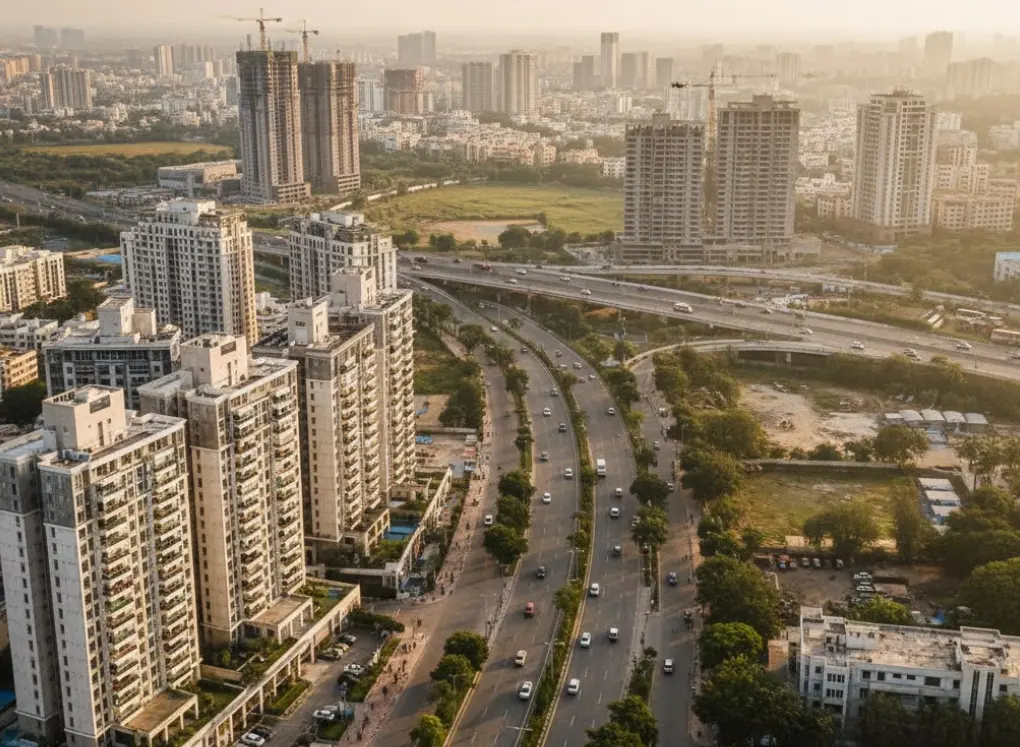
Mumbai has always pulled people in. Jobs, ambition, culture, opportunity. But for years, it also pushed people out. Rising prices, shrinking spaces, longer commutes. Somewhere along the way, homebuyers began asking a quieter question. Not how close is this to South Mumbai, but how livable will my daily life be five or ten years from now?
That question is what brought Navi Mumbai and Thane into serious focus. These were once seen as backup options. Places you considered only after Mumbai felt unreachable. Today, that thinking has flipped. Buyers now look at these regions first, not as compromises, but as smarter long-term choices.
This shift did not happen overnight. It came from years of infrastructure planning, employment decentralization, and a gradual change in how people define a good life. Navi Mumbai and Thane are no longer extensions of Mumbai. They are frontiers shaping the next phase of its real estate story.
If you are a buyer trying to understand where growth is real and where it is just marketing noise, this conversation matters.
Why Mumbai’s growth needed new directions
Mumbai reached a saturation point long ago. Land availability reduced. Redevelopment slowed timelines. Prices climbed faster than incomes. For many buyers, especially end users, the city became emotionally attractive but financially stressful.
Navi Mumbai and Thane answered a structural problem, not a temporary one. They offered space, planning and room to grow. More importantly, they offered the ability to build complete ecosystems instead of patching old ones.
These regions were planned with future population in mind. Wider roads. Mixed-use zones. Defined residential clusters. This allowed development to move with intent rather than pressure.
That difference shows up in how people live there today.
Navi Mumbai is a planned city that finally came of age
For years, Navi Mumbai was known for planning but not momentum. That gap has closed.
The city now functions as a self-sustaining urban zone rather than a dormitory for Mumbai workers. Commercial hubs, educational institutions, healthcare, retail and entertainment have grown alongside housing.
What makes Navi Mumbai stand out today
- Planned nodes with defined land use
- Strong rail and road connectivity within the city
- Large residential projects with integrated amenities
These elements matter because they reduce friction in daily life. Shorter internal travel. Predictable infrastructure. Clear zoning that limits chaos later.
The airport development has further changed perception. Buyers are no longer asking if Navi Mumbai will grow. They are asking which node will benefit first.
Living here today feels less like waiting for promise and more like participating in progress.
Thane’s evolution from suburb to urban centre
Thane’s story is different but equally powerful. It did not start as a planned city. It evolved.
Once known mainly as a railway stop between Mumbai and the suburbs, Thane absorbed the population quietly. Over time, it transformed pressure into opportunity by upgrading infrastructure and opening new growth corridors.
What defines Thane’s current position
- Strong rail and road connectivity to Mumbai
- Expanding residential pockets beyond core areas
- Increasing commercial and retail presence
Thane now serves multiple buyer profiles. End users looking for larger homes. Families seeking better schools and green spaces. Professionals want a balance between access and affordability.
It no longer feels like a spillover location. It feels like a city that learned from Mumbai’s mistakes.
Connectivity as the real growth driver
Infrastructure is not about announcements. It is about how your commute feels six months after possession.
Both Navi Mumbai and Thane benefit from layered connectivity rather than single dependency routes. This reduces risk and increases reliability.
Key connectivity factors shaping demand
- Suburban rail networks with frequent services
- Highway upgrades improving road travel time
- Metro expansion improving internal mobility
This multi option movement is what buyers value quietly. When one route slows down, another picks up. Life feels manageable.
Connectivity also changes how far people are willing to live from their workplace. Distance matters less when travel time stays predictable.
That is where these regions gain an edge.
Job hubs closer to homes
One of the biggest shifts buyers often underestimate is job decentralisation.
Mumbai no longer holds all employment clusters. Navi Mumbai hosts IT parks, logistics hubs, corporate offices and port related industries. Thane has seen business parks, corporate campuses and service sector offices grow steadily.
This matters because housing demand stays healthy when jobs are nearby. Rental markets remain stable. Resale demand stays consistent.
Buyers here are not betting on future employment. They are responding to existing patterns.
That stability reduces risk.
Housing diversity that actually fits budgets
A major reason buyers move beyond Mumbai is not just price but choice.
Navi Mumbai and Thane offer varied inventory. Compact apartments. Mid size family homes. Larger integrated townships. Buyers can choose based on lifestyle, not just affordability.
What buyers appreciate
- Better carpet area for the price
- Newer construction standards
- Planned amenities without overcrowding
This creates emotional comfort. People feel they are upgrading their life, not downgrading expectations.
When buyers feel satisfied with what they live in, markets stay resilient even during slowdowns.
How lifestyle quietly influences buying decisions
Lifestyle rarely shows up in brochures, but it drives long term satisfaction.
Navi Mumbai offers open spaces, waterfront promenades and a slower pace. Thane blends urban convenience with access to nature through lakes and green zones.
These factors reduce burnout. Families spend more time locally. Weekend plans stay within the city.
Over time, this lifestyle comfort becomes a strong retention factor. People who move here rarely rush back to Mumbai. That says more than any price chart.
What buyers often overlook while choosing between the two
The choice between Navi Mumbai and Thane is not about which is better. It is about which fits your daily life.
Buyers sometimes focus too heavily on future appreciation while ignoring practical realities.
Things worth thinking through
- Office location and travel patterns
- School access and daily routines
- Long term family needs
A location that looks strong on paper may feel exhausting in practice. The opposite can also be true. Good buying decisions come from alignment, not excitement.
Real estate momentum and market confidence
Both regions show steady transaction volumes rather than speculative spikes. That is healthy.
Prices have appreciated gradually. Rental demand remains active. New supply continues but absorption stays balanced.
This indicates confidence without overheating. For serious buyers, this matters more than dramatic growth stories. Stability protects value.
The role of planning authorities and governance
Another quiet advantage is administrative clarity.
Navi Mumbai benefits from structured planning oversight. Thane has improved approval systems and infrastructure coordination.
While no system is perfect, consistency matters. It reduces project delays and improves delivery reliability. Buyers feel safer committing long term capital in such environments.
What this means for first time buyers
For first time buyers, Navi Mumbai and Thane offer breathing room.
Lower entry prices. Better options. Time to grow financially without stretching beyond comfort.
More importantly, they offer confidence. Confidence that you can live well while building equity.
That emotional security matters as much as numbers.
What this means for long term investors
Investors look for sustained demand, not just launch day hype.
These regions offer rental stability, resale liquidity and future infrastructure upside without extreme volatility.
Returns may not spike overnight, but they compound steadily. For patient capital, that is often the smarter play.
Final thoughts
Growth that feels lived in, not forced
Navi Mumbai and Thane are not chasing Mumbai. They are becoming alternatives that stand on their own.
They offer space where Mumbai ran out. Planning where Mumbai adjusted late. Balance where Mumbai struggles.
For buyers willing to look beyond old boundaries, these frontiers offer something rare. Growth that feels natural. Progress that supports daily life.
If you are trying to understand where Mumbai’s real estate story is heading next, this is where you should be paying attention.
And if this perspective helped you think more clearly about location choices, there is more to explore. Behind the Bricks is about seeing beyond headlines and understanding what truly holds value over time.

Write Your Comment