
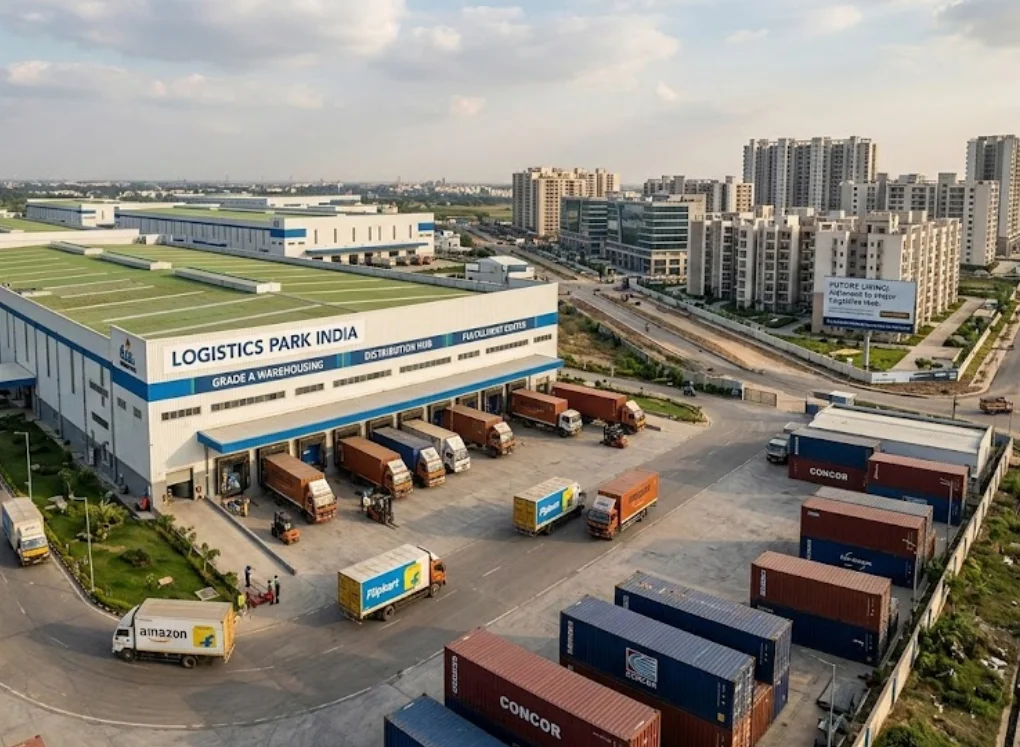
The landscape of Indian real estate is undergoing a massive transformation. For decades, the industry was defined by high-rise apartments and bustling corporate office parks. However, a new phase of growth has emerged, driven by a sector that operates quietly behind the scenes, logistics and industrial warehousing.
This shift is not just about building bigger sheds, it represents a fundamental change in how goods move across the country and how investors view the market.
The e-commerce revolution
The primary driver behind this boom is the rapid rise of online shopping. As more consumers turn to the internet for everything from groceries to electronics, companies need space to store their inventory close to shoppers. This demand has created a massive need for large storage facilities, often referred to as “fulfillment centers,” located on the outskirts of major cities.
Furthermore, the rise of “quick commerce”, companies promising deliveries within minutes, has made urban storage more critical than ever. Retailers are now scrambling to secure smaller, strategically located spaces within city limits to meet these fast-paced demands.
Beyond just storage
Modern industrial spaces are no longer simple, dark warehouses. Today’s facilities are high-tech hubs designed for efficiency. They feature automated systems to organize products quickly, high ceilings for maximum storage capacity, and smart technology to track shipments in real time.
This upgrade in quality, often called “Grade A” space, attracts international investors who see long-term value in these modern assets.
Government support and connectivity
The growth is heavily supported by government initiatives aimed at improving national connectivity. Major investments in highway infrastructure, dedicated freight corridors for trains, and better port access have made transporting goods faster and cheaper.
These improvements allow businesses to expand their reach, encouraging manufacturers to set up factories in locations previously considered too remote. Consequently, the boom is spreading beyond the top eight major cities into smaller towns, creating new economic hubs across the nation.
A sustainable future
Another key aspect of this new phase is sustainability. Companies are increasingly demanding eco-friendly facilities. This includes installing solar panels on rooftops, implementing rainwater harvesting systems, and designing energy-efficient buildings.
Conclusion
The Indian real estate market is entering a stable, long-term growth phase. By focusing on industrial infrastructure, the country is building the foundation necessary to become a global manufacturing powerhouse. As logistics continue to evolve, this sector will remain a cornerstone of economic development.
Also read – Lodha secures landmark 4-acre development rights in Mumbai’s Malabar hill
Disclaimer – The information provided in this article is for general informational purposes only and does not constitute financial advice. Real estate investments involve risks, please consult a professional advisor.
Source – RP Realty

Write Your Comment