
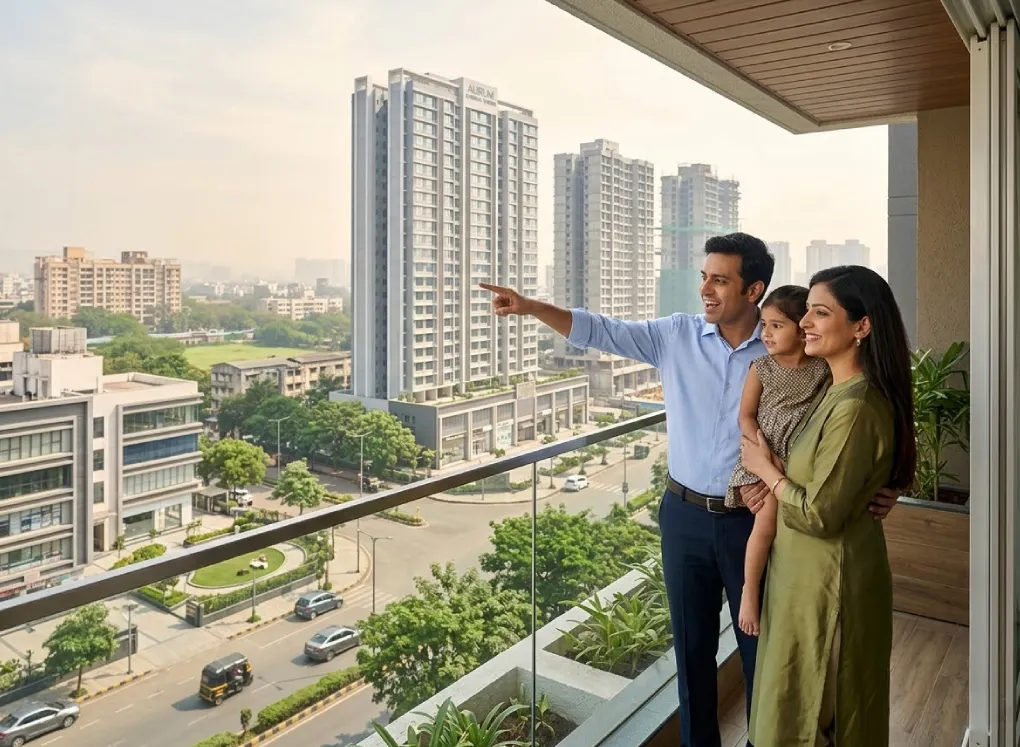
Chembur and Ghatkopar have officially stopped being the dusty residential stopovers remembered from a decade ago. By February 2026, this central belt had morphed into a high-stakes playground for luxury buyers who are tired of the Bandra price tag. People are realizing that spending five crore rupees here buys a lifestyle. That lifestyle is impossible to find in the crowded lanes of South Mumbai.
The air is slightly better, the roads are wider, and the connectivity is now flawless. If a buyer is still sleeping on this micro market, they are missing the biggest wealth migration happening today.
The new geography of central Mumbai luxury
The shift happened fast over the last twelve months. Central suburbs are no longer just for middle-class families looking for a quiet life. Wealthy investors are moving in because infrastructure has finally caught up with developer ambition. Jumping on the Eastern Freeway reaches Fort in twenty minutes. New metro lines reach the airport in under half an hour. This geography is the most logical place for a high-net-worth professional to live in 2026.
- Pricing realities: Prime projects in Ghatkopar East are comfortably crossing 33,000 per square foot this year.
- The BKC spillover: Senior executives move here for massive three-bedroom, decked-out apartments priced like cramped Bandra units.
- Redevelopment of old colonies is becoming forty-story towers featuring infinity pools and private screening rooms.
- Low-density pockets. Smart buyers avoid crowded station areas and focus on quiet leafy lanes in Chembur East.
Infrastructure that actually works
Convenience is a word brokers use too often, but here it means something real. Completion of the latest metro phases in early 2026 turned Ghatkopar into a massive transit hub. The commute north or south is now seamless. This is about buying back two hours of life every single day. The arrival of the pod taxi project connecting Chembur to BKC changed the game for commuters who hate the morning traffic on the SCLR.
- Metro connectivity. The Ghatkopar interchange is the city’s busiest node, keeping commercial values soaring.
- Atal Setu impact: Residents can reach the new Navi Mumbai International Airport in 35 minutes via the MTHL.
- Bottleneck clearance: Authorities cleared traffic at the Amar Mahal junction, significantly reducing the evening crawl.
- The pod taxi benefit: A dedicated lane for office commutes adds a massive premium to nearby residential projects.
The Mature lifestyle upgrade
Living in this belt in 2026 feels different because social infrastructure has matured. High-street retail and fine-dining clusters now rival the western suburbs. Chembur developed a food culture attracting people from across the city. Ghatkopar became a hub for premium jewelry and fashion brands. The lifestyle is built on the idea that traveling ten kilometers for a good meal is a choice, not a necessity.
- Fine-dining clusters on Tenth Road in Chembur are a culinary destination, with rooftop bars and international cafes.
- Modern retail hubs, new luxury malls, and boutique stores cater to the growing population of wealthy individuals.
- Clubhouse culture and gated communities offer private clubs better-equipped than old gymkhanas in the area.
- Green spaces: Chembur maintains its reputation as a green suburb, with large parks providing urban heat relief.
Investment stability and returns
Appreciation in Chembur and Ghatkopar is driven by genuine end-user demand rather than speculation. When people actually reside in a building, prices remain stable even as the broader market slows. Rental yields in this belt currently sit at a healthy four percent, which is higher than the city average. This creates a haven for those wanting capital growth alongside a steady monthly income from a premium asset class.
- Rental demand from corporate employees in BKC and Vikhroli ensures premium apartments never stay vacant for long.
- Future-proofing developers include electric vehicle charging and home automation as standard features in luxury towers.
- Capital appreciation: Ghatkopar East prices rose 12% over the last year, with steady momentum.
- Resale liquidity: Large three- and four-bedroom units are highly liquid due to joint-family demand.
Selecting a winning project
Not every new building in this area is a winner, so density remains a critical factor. Some developers pack too many flats onto small plots,s which eventually leads to maintenance issues. Real value lies in projects offering a low number of units per floor with clear city or mangrove views. In 2026, luxury is not just about marble floors; it is about the amount of light and air available in the living room.
- Floor density: Prioritize buildings with only two or three apartments per lobby to maintain privacy and peace.
- Open-view apartments facing the green belt or creek command a 10% premium over inward-facing units.
- Builder reputation: Stick to grade developers with a history of delivering high-quality finishes and maintenance.
- Smart layouts. Look for homes with dedicated home office spaces, as flexible working is now a permanent part of the lifestyle.
Frequently Asked Questions
Both areas are strong, but Chembur offers more greenery while Ghatkopar has superior commercial energy and transit links.
In the current 2026 market, expect to spend between four and six crore rupees for a high-end apartment.
Properties on the metro line face noise issues, but the convenience factor usually outweighs this for modern buyers.

Write Your Comment