
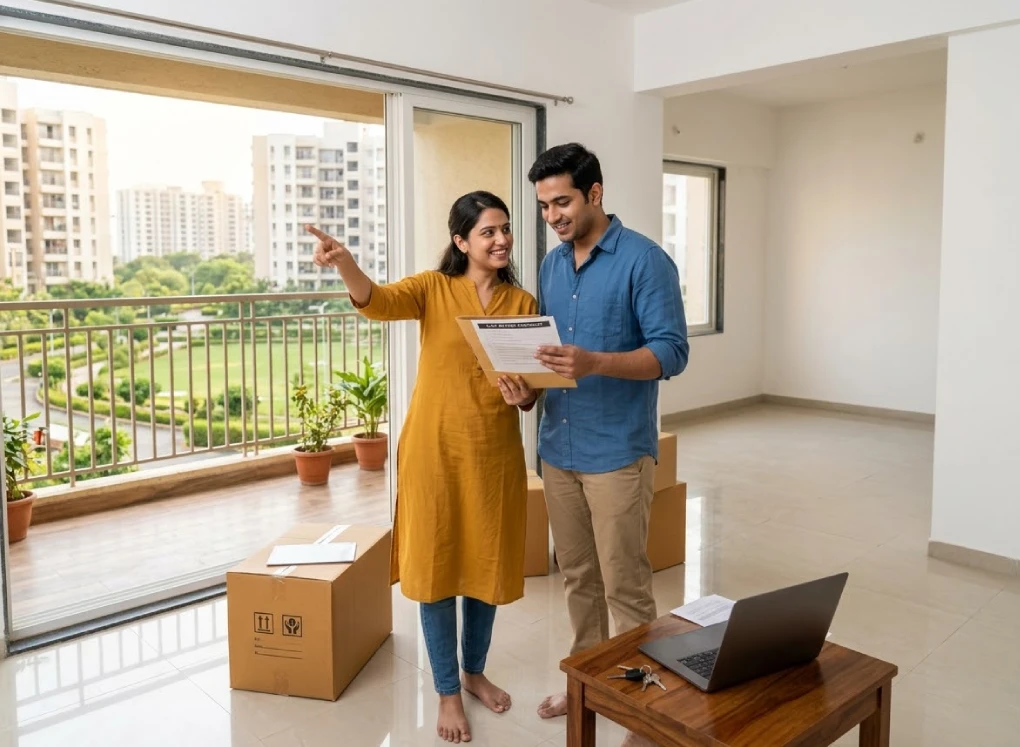
Getting the keys to your new home in 2026 feels like winning a war because the journey from a construction site to a registered living space is packed with traps that most people don’t see until they are stuck. You might think that paying the final cheque is the end of the road, but in reality, that is just when the real legal heavy lifting starts for any buyer in the Mumbai or Navi Mumbai region. Between the new biometric rules at the sub-registrar’s office and the strict handover protocols under the latest RERA updates, there is a specific rhythm you have to follow, or you risk losing your hard-earned money to legal loopholes.
This guide is built to walk you through the messy ground reality of possession and the digital maze of registration without any sugar coating, so you can actually own what you paid for.
The Pre-Possession Reality Check
Before you even think about moving your furniture, you need to verify if the building is legally fit for you to live in, because a fancy lobby doesn’t mean the structure is authorized. Many builders in 2026 are trying to push for fit-out possession, which is basically a fancy way of saying you can do your interiors, but you can’t officially stay there yet.
- Full occupation certificate first: Never take possession without a valid OC from the local municipal body, like BMC or CIDC, O because staying in a building without an OC is technically illegal and will result in triple water charges and no proper electricity connection.
- The snagging audit: Carry a small marble and a phone charger to check the floor slope and every single socket in the flat for wiring issues before you sign the final handover letter.
- MahaRERA sixty-day rule: Under the new 2026 guidelines, if a builder has been ordered to pay you compensation for a delay, they must clear that amount within sixty days before they can force you to take possession.
- Property tax transition: Ensure the builder has cleared all pending tax dues up to the date of possession, or you will find yourself paying for the builder’s past defaults when the first tax bill arrives in your name.
Navigating the Registration Maze
Registration in 2026 is no longer just about signing a bunch of papers in a dusty office; it is now a high-tech process that requires your digital identity to be in perfect order. The government has shifted to a fully Aadhaar-linked biometric system to curb property fraud, which means even a minor fingerprint mismatch can delay your registration by weeks.
- IGR portal slot booking: Getting a slot at the sub-registrar’s office is now like a game of chance, with appointments available only 2 weeks in advance on the IGR Maharashtra website.
- Biometric identity check: Ensure your Aadhaar is linked to your current mobile number, and that your fingerprints are updated at an Aadhaar center, as live verification at the registrar’s office is now mandatory for every buyer and witness.
- The index two document: Once the registration is complete, your primary goal is to obtain the Index Two, the final summary that proves you are the legal owner in government records.
- Stamp duty and metro cess: In 2026, the total cost includes the standard stamp duty plus a mandatory 1% metro cess, so make sure your franking or payment covers the full updated amount to avoid penalties.
Post-registration Essentials
Just because you have a registered deed doesn’t mean the world knows you own the flat, so you have to update your name on all secondary records manually. If you skip this part, you will still see the builder or the old land owner’s name on your utility bills and society records, which creates huge problems when you try to sell the property later.
- Society share certificate: As soon as you get your registered documents, submit a copy to the society office to get the share certificate transferred to your name, which officially makes you a member.
- Utility bill transfer: Take your Index Two to the local electricity board and water department to get the meters changed to your name so you are not paying bills on a commercial rate under the builder’s name.
- Home loan disbursement: Most banks in 2026 will hold back the last five percent of your loan until you provide them with the original registered agreement and the Index Two for their records.
- Five-year structural warranty: Keep your possession letter safe because under RERA Section Fourteen, the builder is liable to fix any structural defects for the next five years for free, but only if you have a documented paper trail.
Handling the Money Trail
The financial part of the handover is where most people get frustrated because small hidden costs often pop up at the last minute. Please ensure you have a clear ledger from the builder showing every rupee you have paid, from the booking amount through GST and the final possession charges.
- TDS Form sixteen B: If your property cost is above fifty lakhs, you must deduct one percent TDS and provide the builder with Form 16 B, or you will face heavy fines from the income tax department.
- Maintenance deposit transfer: Many builders collect one or two years of maintenance in advance, but you must ensure this money is moved into the society’s bank account once the association is formed.
- Legal and society charges: Check your agreement for any vague legal fees or clubhouse joining charges that were not discussed initially, because builders often use these to pad their margins at the time of possession.
- Final statement of account: Request a zero-due certificate from the builder, which confirms that you have settled all financial obligations and that they have no future claim on your property.
Common Questions for New Buyers
You will be living in an unauthorized structure,e which means your building can be fined and you will have to pay much higher rates for basic utilities like water and power.
According to the latest 2025 and 2026 rulings, builders must provide parking as per the sanctioned plan and cannot sell open parking spaces as extras at the time of registration.
Yes, you still need two witnesses with valid Aadhaar cards who must undergo live biometric verification along with you at the subregistrar’s office to complete the legal process.
While the digital copy is available almost instantly on the portal, the physical document with the registrar’s seal usually takes about three to seven working days to be ready for collection.

Write Your Comment