
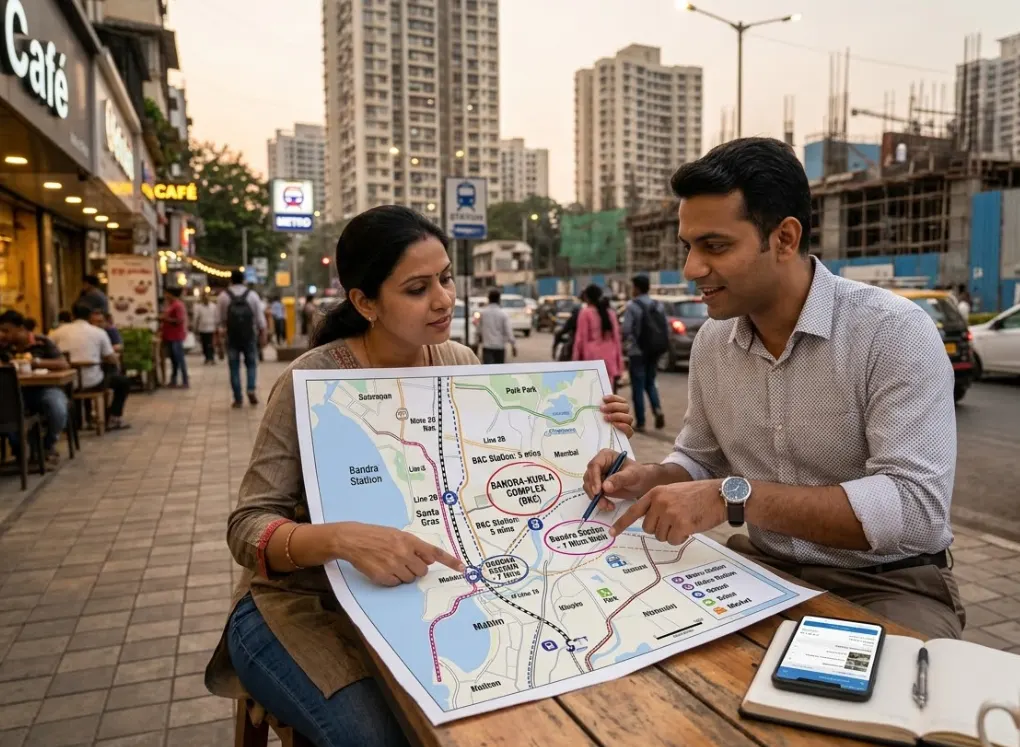
Finding a home in March 2026 is no longer just about picking a nice building or a quiet street like it was five years ago. Today, identifying a property that will actually grow in value requires you to look at the city as a living network of shifting commute times and new economic hubs. Most buyers make the mistake of looking at current prices and assuming they will keep climbing forever.
However, the real secret to spotting high appreciation potential lies in understanding where the next big infrastructure project will land and how the local job market is moving.
The magic of transit-oriented development
In the current 2026 market, the most reliable way to spot a winner is by tracking new transit lines before they are fully operational. We have seen that properties located within a five to ten-minute walk of a newly launched metro station or a coastal road exit see a much faster price jump than those even two kilometres away. It is all about the time saved on a commute rather than the actual physical distance from the city centre.
- Metro proximity: Look for areas where the metro pillars are already up, but the stations are not yet open to the public, to get the best entry price.
- Shrinking commutes. Focus on micro markets where new bridges or tunnels are cutting travel time to major business districts by more than thirty per cent.
- Secondary infrastructure: Check for new flyovers or road widening projects that solve local traffic bottlenecks, which often keep property prices suppressed.
- Last mile connectivity. High appreciation often follows better bus feeder services or dedicated cycling tracks that make getting to the main transit hub easier.
Spotting the next big employment anchor
A property is only as valuable as the jobs around it, and this has never been truer than in 2026. You want to look for areas where massive commercial office spaces or global tech centres are being built right now. When thousands of high-paying jobs move into a neighbourhood, the demand for housing naturally explodes, driving up both the rental yields and the capital value of the nearby homes.
- Tech park expansions. Keep an eye on the approval of new Special Economic Zones or Grade A office clusters that will bring in a fresh wave of professional tenants.
- Corporate relocations Research which large companies are moving their headquarters, as their employees will soon be looking for homes within a thirty-minute radius.
- Commercial absorption. High appreciation potential is usually found in areas where office vacancy rates are low and new supply is limited.
- Co-working growth: A sudden rise in professional co-working hubs in a residential area is a strong leading indicator that the local economy is heating up.
The value shift toward gated communities
If you want long-term growth, early 2026 data shows gated communities outperform standalone buildings by a wide margin. Modern buyers are now willing to pay a heavy premium for security, managed parks, and backup utilities that work without fail. A standalone building might be cheaper today, but it often struggles with resale value because it lacks the social infrastructure that today’s families demand.
- Lifestyle Amenities Projects that offer integrated gyms, clubhouses, and green spaces tend to appreciate faster because they offer a complete living experience.
- Safety Standards Enhanced security features like digital access control and constant surveillance are becoming non-negotiable for high-value resale.
- Professional upkeep. Well-managed societies keep the property looking new for decades, which is a huge factor in maintaining a high price point.
- Resident Profile: Living in a community of like-minded professionals creates a stable environment that keeps the demand for the building consistently high.
Social infrastructure as a growth catalyst
A neighbourhood without good schools, hospitals, and retail hubs will eventually hit a price ceiling. To identify high appreciation potential, you must look for the “missing pieces” that are currently under construction. If an area has great houses but no high-end grocery stores or reputed schools, the moment those facilities open, the property prices in the entire zip code will take a significant leap upward.
- Educational hubs. Proximity to top-tier international schools is one of the strongest drivers for family demand and long-term price stability.
- Healthcare access, being within a ten-minute drive of a major multi-speciality hospital, adds a massive “safety premium” to any residential property.
- Retail evolution The announcement of a new premium mall or a high street retail development often signals that the area is moving up the social ladder.
- Public park.s Access to well-maintained public gardens or access to the waterfront is becoming a rare luxury, which increases the prices in the populated urban areas.
Developer credibility and future proofing
In the 2026 real estate landscape, who builds your home is just as important as where it is built. You should look for developers with a track record of delivering projects that still match the brochures. The value of these projects is often tied to the building’s age and added features. These features can include electric vehicles, charging stations, and green water management systems.
- Track record: Check the resale value of the developer’s past projects. This helps you see if they kept value better than the neighbourhood average.
- Construction quality.y High appreciation potential is found in buildings that use modern materials, which require less frequent and expensive repairs.
- Green features are attracting higher prices this year. Sustainable buildings with solar power and waste recycling are selling for 6% to 10% more.
- Smart integration. Homes that are pre-wired for high-speed data and smart automation are much easier to sell in the future at a higher price.
Frequently asked questions
Markets like Navi Mumbai near the new airport and the peripheral areas of Pune and Hyderabad are currently leading the charts due to massive infrastructure spending.
Yes, buying in the early stages of a project typically offers a lower entry price and allows you to capture the price jump that happens upon completion.
If an area has a massive oversupply of similar apartments without any new job creation or transit improvements, the prices are likely to remain stagnant for years.

Write Your Comment